Home Additions Company: Expert Home Addition Services
Designing Distinctive Spaces: How a Custom Home Builder Converts Your Vision Into Reality
A custom home builder serves a read now crucial function in realizing individual aspirations for a dream home. Through a structured approach, they work with clients to comprehend their distinctive preferences and functional needs. This partnership involves not only design collaboration but also budget management and site selection. However, the journey from vision to reality is commonly fraught with challenges that can affect the outcome. What are the key steps in this transformative process?
What Does a Custom Home Builder Do for You?
A custom home builder fulfills a critical role in converting a homeowner's dreams into tangible reality. They serve as the bridge between the conceptual ideas of homeowners and the tangible structure that will become their home. Initially, they assess the project scope, providing expertise in design, materials, and construction processes. This allows homeowners to understand the feasibility of their ideas within budgetary constraints.
Custom home builders manage multiple experts, such as architects, engineers, and subcontractors, making certain that every element of the build matches the homeowner's requirements. They also manage timelines, oversee quality control, and navigate permits and regulations, making the process smoother for the homeowner. By leveraging their knowledge and experience, custom home builders facilitate a collaborative environment, enabling homeowners to make informed decisions throughout the construction journey. In the end, they convert visions into distinctive residential environments designed to suit the homeowner's preferences and way of life.
Sharing Your Vision: The Opening Consultation
The opening consultation is an essential stage in the custom home building process, as it focuses on understanding the client's expectations and visions. During this meeting, builders and clients cooperate to outline clear project goals that align with the homeowner's vision. This fundamental discussion sets the tone for a successful partnership throughout the building process.
Grasping Your Selections
How can a builder genuinely capture a homeowner's vision without grasping their distinct preferences? Throughout the initial consultation, effective communication is crucial. Homeowners are prompted to talk about their likes, dislikes, and inspirations, delivering a thorough insight into their style. This dialogue allows builders to gauge aesthetic preferences, functional needs, and lifestyle considerations. Analyzing details such as color schemes, architectural designs, and design elements assists the builder in creating a personalized approach. Furthermore, investigating practical aspects—such as budget limitations and preferred timelines—further clarifies the vision. By attentively listening and presenting specific questions, builders can establish a collaborative relationship, confirming that the final design reflects the homeowner's aspirations. In the end, this comprehension establishes the foundation for a successful custom home project.
Defining Project Goals
Establishing project goals during the initial consultation is a crucial step in the custom home building process. This meeting enables the homeowner and builder to establish a clear understanding of the client's vision, preferences, and priorities. By discussing important elements such as budget, design style, and functionality, both parties can align their expectations. The builder encourages the homeowner to express their desires, from layout specifics to aesthetic choices, ensuring that no detail is overlooked. This collaborative exchange not only fosters trust but also helps in identifying potential challenges early in the process. Eventually, a well-defined set of project goals paves the way for a successful design and construction journey, transforming the homeowner's dream into a tangible reality.
Collaborating on Design: Tailoring Space Configurations and Finishes
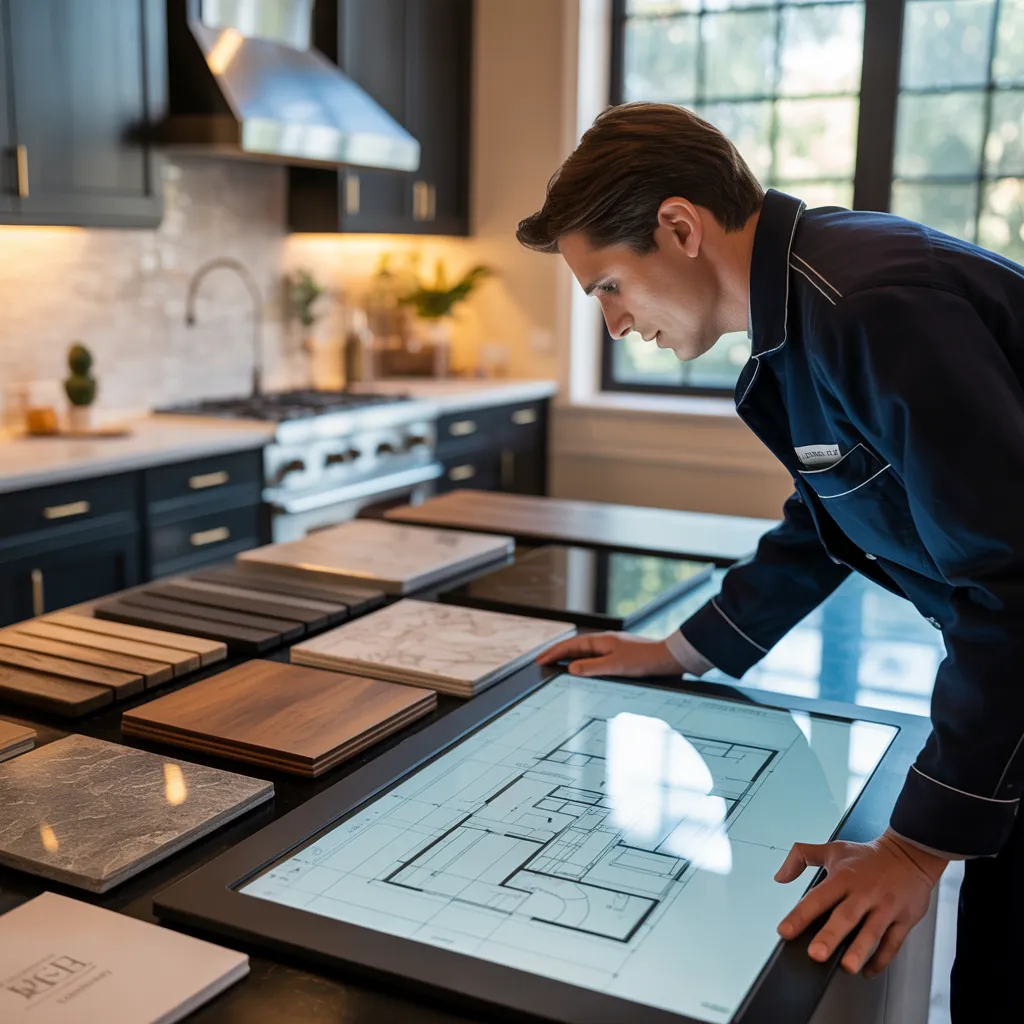
When embarking on the journey of constructing a custom home, collaborative design efforts becomes a critical element in attaining a unique living space. This process allows homeowners to tailor floor plans and finishes to reflect their unique taste and functional needs. Partnering with a custom home builder encourages open communication, confirming that every detail reflects the homeowner's vision.
By choosing layouts that maximize space to picking materials that improve aesthetics, collaboration is vital. Homeowners might explore options such as open-concept living areas, gourmet kitchens, or spa-like bathrooms, all of which support the home's overall character. In addition, finishes such as cabinetry, flooring, and fixtures have a crucial role in perfecting the design. By mixing creativity and practicality, the collaboration between homeowners and builders produces a harmonious space that embodies individuality and comfort, creating the foundation for a truly custom home experience.
How Design Decisions Influence Your Budget
Design selections considerably affect a custom home builder's budget through factors such as material quality, design complexity, and the balance between customization and standardization. Superior-grade materials and complex designs often lead to increased costs, while selecting standard features can help maintain expenses. Understanding these dynamics is vital for homeowners to align their visions with their financial plans.
Selection of Material Quality
Material quality selection plays an essential role in shaping both the aesthetic value and the financial feasibility of a custom home project. The choice of materials greatly influences not only the look and feel of a home but also its overall cost. Higher-quality materials often come with a premium price tag, impacting the overall budget. However, investing in resilient, environmentally conscious materials can yield long-term savings through lower maintenance costs and improved energy performance. In contrast, opting for lower-quality options may initially save money but could lead to higher replacement costs over time. Homeowners must meticulously examine their priorities, balancing desired aesthetics with functionality and budget constraints, ensuring that each material choice fits their vision while remaining economically viable.
How Design Complexity Affects Results
Although homeowners commonly envision their dream spaces with intricate designs and special features, the complexity of these selections can significantly impact the overall budget. Each design aspect, from custom cabinetry to intricate architectural details, adds to the project's cost. Complex layouts can require more labor and specialized capabilities, elevating expenses. In addition, unique features often demand higher-quality materials, which can further pressure the budget. Homeowners should also take into account the potential for increased timeframes, as elaborate designs may increase project durations, causing additional costs. As a result, understanding the relationship between design complexity and budget is vital for homeowners, making certain that their visions are both attainable and financially viable. Harmonizing creativity with practicality is vital in the custom building process.
Tailoring Versus Consistency
Property owners encounter a crucial choice when weighing customization and standardization in their improvement projects, as this decision directly affects their budget. Customization often allows for unique designs that showcase personal tastes and needs, but it generally results in higher costs due to personalized materials and specialized labor. In contrast, standardized options can reduce expenses by leveraging mass-produced elements. However, they may limit individuality and flexibility in design. Homeowners must carefully consider how much customization they require against their financial constraints. By doing so, they can address the trade-offs between creating a distinctive living space and staying within a practical budget. Ultimately, establishing a harmonious balance between these two approaches is essential for achieving a rewarding and financially viable outcome.
Choosing the Ideal Property for Your Custom Home
What's the process for determining the ideal location for a custom home? Choosing the right site is vital for making certain the home meets both design preferences and practical needs. Various factors contribute to this decision. First, potential homeowners should consider proximity to essential amenities such as schools, shopping centers, and healthcare facilities. Access to major transportation routes can enhance convenience and connectivity.
Then, the natural landscape plays a major role. Assessing the topography, sun exposure, and existing vegetation can affect design selections and energy efficiency. Zoning ordinances and building codes must also be examined, as they specify what can be erected on a given site.
Last but not least, grasping the local community and its culture can assist in determine whether the environment matches the homeowner's lifestyle. By thoroughly evaluating these elements, individuals can make informed choices that ensure their custom home is not only one-of-a-kind but also optimally situated.
Navigating Challenges In the Course of Construction
Guiding the construction of a custom home commonly brings a myriad of challenges that demand careful management and problem-solving skills. Weather-related delays, surprising site conditions, and supply chain disruptions can all obstruct progress. A custom home builder must forecast these issues and develop contingency plans to mitigate their impact. Strong communication with subcontractors and suppliers is crucial to secure timely procurement of materials and labor.
Additionally, shifts in customer preferences or project scope can arise during construction, demanding prompt adjustments while maintaining budgetary constraints. Managing these challenges necessitates flexibility and expertise, as the builder balances client expectations with practical limitations. By cultivating a collaborative environment and utilizing strategic planning, a custom home builder can handle obstacles proficiently, maintaining the project on track. Eventually, surmounting these challenges is essential to transforming a customer's vision into a tangible reality, producing a uniquely crafted home tailored to their desires.
The Final Details: Making Your House a Home
The concluding elements in a custom home project play an important role in transforming a newly constructed house into a warm and inviting home. These finishing elements, including paint colors to decorative fixtures, reflect the homeowners' personal style and preferences. Custom home builders collaborate closely with clients to select elements that enhance both functionality and aesthetic appeal.
This phase frequently encompasses putting in lighting that creates ambiance, picking cabinetry that offers both visual appeal and storage, and choosing flooring that complements the overall design. Soft furnishings, such as curtains and rugs, also soften spaces and add coziness.
Landscaping and outdoor elements, like patios or gardens, bring the home's charm to the exterior, fostering connection with nature. In the end, these final touches not only complete the home but also infuse it with character and warmth, making it really feel like home.
Common Questions
How Much Time Does the Custom Home Building Process Usually Take?
Custom home building commonly takes between six months to over a year. Variables impacting this schedule encompass design sophistication, obtaining permits, weather factors, and the construction team's proficiency in delivering the project.
Is It Possible to Request Changes During Construction?
Modifications during construction are achievable, with timing and practicality depending on the construction stage. Clients must contact their builders without delay to evaluate potential changes and grasp any impacts on completion dates and budgets.
What Warranty Coverage Comes With a Custom-Built Home?
Usually, a custom-built home offers warranties protecting structural integrity, roofing, plumbing, and electrical systems. The duration changes by builder, frequently spanning from one to ten years, ensuring protection against defects and delivering peace of mind to homeowners.
How Can Custom Home Builders Handle Permits and Inspections?
Custom homebuilders generally handle permits and inspections by working with local authorities, ensuring compliance with regulations, and scheduling mandatory inspections at multiple construction stages to ensure a streamlined and effective building process for their clients.
What Happens When My Budget Exceeds the Initial Estimates?
If a budget exceeds initial estimates, custom home builders typically consult with property owners, allowing for adjustments in materials or design. They may recommend phased construction or alternative solutions to control expenses efficiently while maintaining project integrity.